In the fast-paced world of cryptocurrency, staying updated on crypto wallet news is essential for both seasoned investors and newcomers. As digital currencies gain traction, the importance of secure and efficient wallets becomes increasingly evident. These wallets not only safeguard valuable assets but also enable users to navigate the evolving landscape of blockchain technology.
Recent developments in crypto wallets highlight innovations aimed at enhancing security and user experience. From multi-signature options to integration with decentralized finance (DeFi) platforms, these advancements are shaping how individuals manage their digital wealth. As the market continues to evolve, understanding the latest trends in crypto wallet technology is crucial for making informed decisions in this dynamic environment.
Latest Developments in Crypto Wallet News
The crypto wallet landscape continues to evolve with significant updates and features. Staying up-to-date with these developments enables users to enhance their security and user experience.
Major Wallet Updates
Several leading crypto wallets recently announced major updates. Exodus has introduced enhanced support for NFTs, allowing users to manage their collections directly within the wallet. Coinbase Wallet integrated support for multiple blockchains, including Ethereum and Solana, increasing accessibility for users. Ledger released a firmware update that improves multi-signature support and enhances privacy features, ensuring user assets remain secure. Metamask has also upgraded its interface, simplifying transaction processes while reducing gas fees.
New Wallet Features and Functionality
New features across wallets enhance overall functionality. Trust Wallet added decentralized exchange (DEX) capabilities, allowing users to trade directly from their wallets without third-party involvement. Trezor incorporated password manager functionality, enabling users to store sensitive information securely alongside crypto assets. Mycelium launched advanced integration with privacy-focused networks, making it easier for users to transact anonymously. Blockchain.com has unveiled a user-friendly staking feature, enabling users to earn yield from their crypto holdings passively. These advancements reflect the growing demand for comprehensive wallet solutions in an expanding market.
Trends in Crypto Wallets
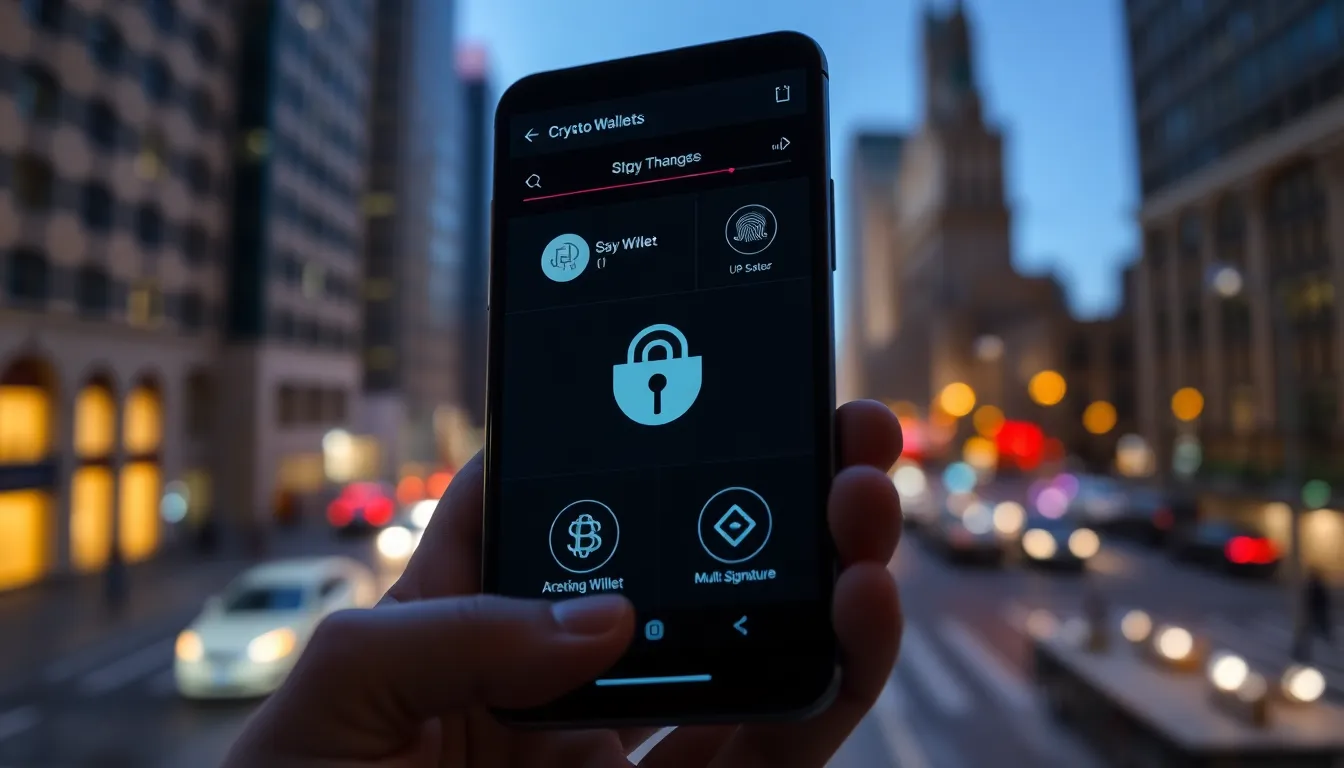
Crypto wallets are evolving to meet the needs of a growing user base. Security and accessibility remain top priorities amid developments in the cryptocurrency landscape.
Increased Demand for Security
Increased demand for security stems from a rising number of cyber threats targeting digital assets. Users seek wallets featuring robust security measures, such as multi-signature authentication and biometric verification. Reputable wallets prioritize user safety by incorporating advanced encryption protocols. Reports indicate that multi-signature wallets have seen a 40% increase in adoption over the past year, largely attributed to their enhanced security capabilities. Furthermore, regulatory scrutiny around cryptocurrency transactions has heightened awareness of security practices, urging wallet providers to ensure compliance and protect user assets effectively.
Adoption of Web3 Wallets
Adoption of Web3 wallets is gaining momentum as users engage more with decentralized applications. These wallets streamline interactions with blockchain networks and decentralized finance (DeFi) platforms. Data shows a 25% increase in active Web3 wallet users in the past year, reflecting a shift toward holistic financial ecosystems. Platforms like MetaMask and Phantom exemplify the trend by simplifying connectivity between users and decentralized services. Enhanced functionalities, such as in-wallet token swaps and simplified onboarding processes, contribute to this trend by making Web3 more accessible. The growing integration of non-fungible tokens (NFTs) into these wallets further solidifies their importance in a digitally connected financial future.
Popular Crypto Wallets in the Spotlight
Examining popular crypto wallets reveals a variety of options catering to diverse user needs. Both hardware and software wallets provide unique features, enhancing security and usability in the cryptocurrency ecosystem.
Hardware Wallets
Hardware wallets offer robust security, storing private keys offline to protect against hacking and malware attacks. Leading hardware wallets include:
- Ledger: Known for its top-tier security and multi-currency support, Ledger devices like the Ledger Nano X and Ledger Nano S allow users to manage multiple assets safely.
- Trezor: Trezor wallets, including the Trezor Model T and Trezor One, provide user-friendly interfaces and strong security measures like PIN protection and passphrase capabilities.
- BitBox: BitBox wallets prioritize simplicity and security with features like microSD card backups and air-gapped signing, appealing to both novices and experts.
Reports indicate that the adoption of hardware wallets has surged due to increasing cyber threats, highlighting their critical role in protecting digital assets.
Software Wallets
Software wallets offer convenience and accessibility, allowing users to manage their cryptocurrencies directly from their devices. Key software wallets include:
- Exodus: Exodus features an intuitive interface, supporting a wide array of cryptocurrencies and recently enhancing NFT capabilities for users.
- Coinbase Wallet: Coinbase Wallet integrates with the Coinbase exchange, supporting multiple blockchains and providing easy access to decentralized applications (dApps).
- Trust Wallet: Trust Wallet enables in-app trading and supports browsing dApps, making it a popular choice for users engaged with the decentralized finance (DeFi) sector.
Statistics show a growing interest in software wallets, attributed to their ease of use and integration with various platforms. This trend reflects the demand for wallets that provide seamless access to the rapidly evolving crypto market.
Regulatory Changes Impacting Crypto Wallets
Regulatory shifts significantly shape the crypto wallet landscape, influencing compliance and operational strategies for wallet providers. Understanding these changes is crucial for users and investors navigating the evolving market.
Compliance Requirements
Compliance requirements for crypto wallets continue to tighten in response to increasing regulatory scrutiny. Wallet providers must adhere to anti-money laundering (AML) and know-your-customer (KYC) regulations to prevent fraud and enhance security. For instance, many jurisdictions mandate that wallets verify user identities before transactions can proceed. Reports indicate that 70% of crypto wallets are incorporating KYC processes to align with regulatory expectations, fostering trust within the sector. Additionally, providers who fail to comply face potential penalties or operational restrictions, underscoring the necessity for wallet users to choose compliant solutions.
International Regulations
International regulations regarding crypto wallets vary significantly, affecting how providers operate across different regions. The Financial Action Task Force (FATF) guidelines recommend that all virtual asset service providers, including wallet services, implement stringent KYC procedures. In the EU, the Markets in Crypto-Assets (MiCA) regulation aims to standardize crypto operations, providing a framework for user protection and market integrity. Similarly, countries like Japan and South Korea enforce rigorous licensing requirements for wallet operators, impacting user accessibility. These regulatory developments signal the growing importance of global compliance for wallet providers, making it essential for users to remain informed about regional regulations that may affect their assets.
Staying updated on crypto wallet news is crucial for anyone involved in the cryptocurrency space. As technology evolves and regulations tighten, understanding the latest innovations and security measures can significantly impact users’ investment strategies. With advancements in multi-signature options and the rise of Web3 wallets, the landscape is becoming increasingly user-friendly and secure.
The growing focus on compliance and security reflects the industry’s response to emerging threats and regulatory demands. By keeping informed about these trends, users can make better decisions regarding their digital assets and navigate the complexities of the crypto market with confidence. Embracing these developments will not only enhance their experience but also safeguard their investments in an ever-changing environment.