In a world where multitasking reigns supreme, the idea of charging a vape with an iPhone might sound like the ultimate life hack. Imagine this: you’re at a party, your vape’s battery is gasping for life, and your iPhone is sitting pretty with a full charge. Could you really plug in that vape and save the day?
While it sounds like a dream come true for the tech-savvy vaper, the reality might not be as electrifying. Charging a vape with an iPhone isn’t just a quirky thought; it raises questions about compatibility, safety, and whether or not your vape will start doing the Macarena. Let’s dive into the nitty-gritty of this electrifying topic and find out if it’s a genius move or just a recipe for disaster.
Overview of Vaping Devices
Vaping devices have gained popularity for their convenience and variety. They come in different forms, including e-cigarettes, vape pens, and box mods. Each type serves unique preferences for users.
E-cigarettes resemble traditional cigarettes, offering a familiar experience. Vape pens feature a more advanced design that allows for adjustable settings, while box mods provide extensive customization options and larger battery capacities. These devices primarily utilize lithium-ion batteries to maintain functionality.
The vapor production in these devices varies significantly based on design and settings. High-wattage devices deliver intense vapor clouds, appealing to those who seek a more robust experience. Lower-wattage options, however, focus on flavor over vapor quantity, which suits many casual users.
Users often encounter different charging methods across vaping devices. Some devices feature USB ports, allowing for direct charging through standard cables. Other models may require proprietary chargers, limiting compatibility. Understanding a device’s charging requirements is crucial for safe and effective use.
It’s essential to prioritize device maintenance, including battery care. Overcharging can lead to battery degradation, impacting overall performance. Regularly checking for wear and tear can prevent malfunctions.
Knowing the specific needs and functionalities of vaping devices enhances user experience. Exploring options and understanding design variations enables informed choices. Proper knowledge supports users in making decisions that align with their preferences.
Charging Mechanisms for Vapes
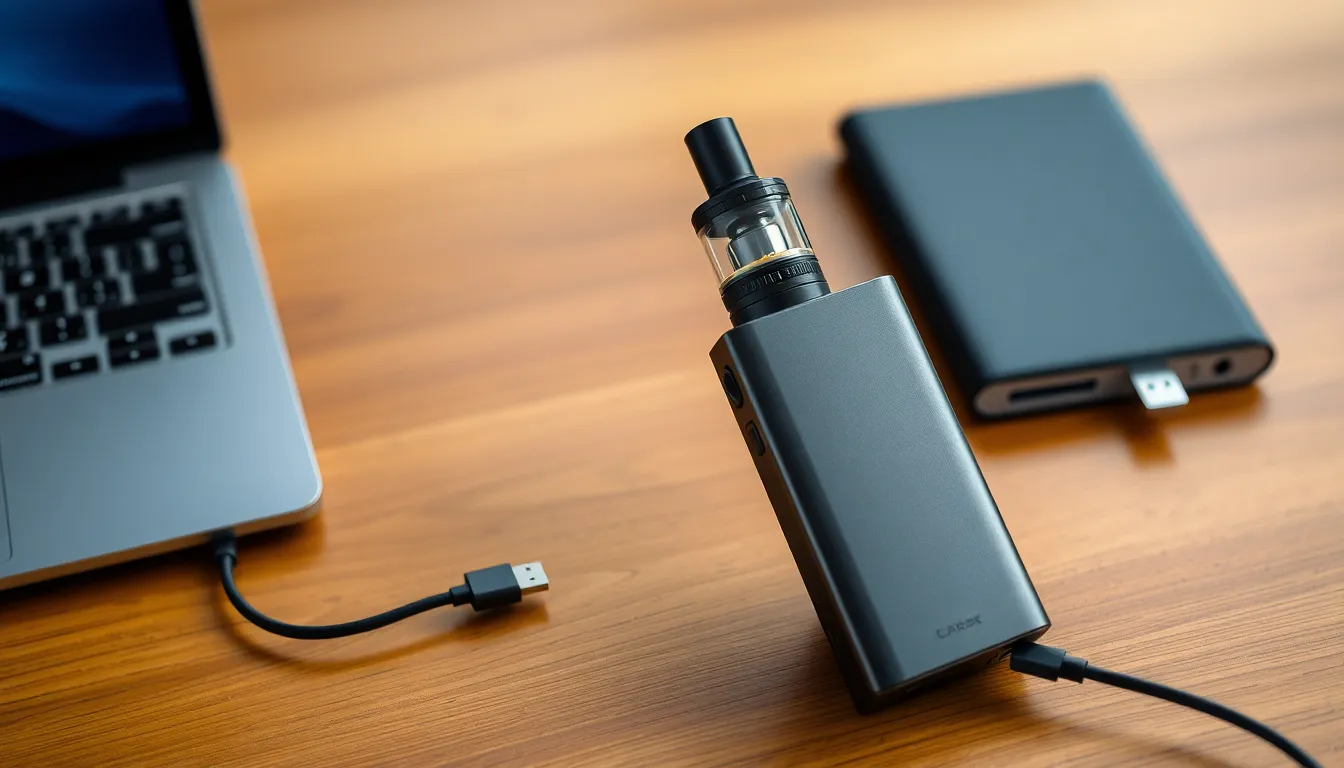
Charging mechanisms vary significantly among vaping devices. Understanding these differences is crucial for effective use.
USB Charging Options
Many vapes feature USB ports for charging. Standard USB connections simplify the process, allowing for compatibility with various chargers. Built-in batteries often connect via Micro USB or USB-C, providing versatility in charging methods. Vapers can use power banks, laptops, or wall adapters to charge their devices. Fast charging capability exists in some models, reducing downtime for users. These options cater to diverse user preferences and ensure reliable charging experiences.
Compatibility with Other Devices
Compatibility plays a vital role when charging vapes. Some devices only charge with proprietary chargers, limiting options and increasing costs. Utilizing third-party chargers can lead to potential damage or unsafe charging conditions. Researching specific model requirements is essential to prevent battery issues. Users often seek alternative charging methods, yet they must prioritize safety to avoid complications. Understanding these compatibility aspects enhances the vaping experience while ensuring device longevity.
iPhone Charging Capabilities
Many vapes utilize USB charging, making compatibility with iPhone chargers an intriguing consideration. Certain vape devices feature Micro USB or USB-C ports. These connections allow vapes to charge using various sources, including iPhones. However, several vapes rely on proprietary chargers, which complicate potential charging methods.
Types of Chargers
Standard USB chargers come in various forms, including wall adapters and power banks. iPhones typically use a Lightning connector, while many vapes depend on USB connections. This difference highlights the necessity for users to check their device’s charging specifications. Users can find vapes with interchangeable chargers designed for USB-C or Micro USB connections. Third-party charging solutions may work, but they often carry risks of compatibility issues or damage.
Power Output Limitations
Power output remains a key consideration when charging vapes with an iPhone. iPhone chargers generally provide a limited voltage output, which may not meet the energy requirements of certain vape models. Relying on a low-wattage charger can affect charging times significantly. Each vape model has distinct power needs, and using insufficient power sources might result in inadequate charging. It’s essential for users to understand their device’s specifications to ensure safe and effective charging.
Can You Charge a Vape with an iPhone?
Charging a vape using an iPhone presents intriguing possibilities, yet several important factors come into play when considering this approach.
Direct Charging Risks
Using an iPhone charger directly on a vape poses various risks. Voltage mismatches can lead to overheating, potentially damaging both devices. Some vape models require specific voltage levels to charge effectively. Charging a vape with an iPhone might result in prolonged charging times due to inadequate power output. Proprietary charging specifications also play a significant role, as using the wrong charger can void warranties and create safety hazards. Therefore, understanding the compatibility of devices is essential to ensure optimal performance and safety.
Alternative Charging Methods
Exploring alternative charging methods can provide safer options for vapers. Utilizing a dedicated wall adapter designed for the vape ensures compatibility and reduces risk. Portable power banks specifically made for vaping devices offer convenience and flexibility while traveling. Many vapes support USB charging, allowing the use of various chargers compatible with those ports. Users should always consult their device specifications before attempting to charge to avoid mishaps. This approach minimizes the chance of damage and promotes a better overall vaping experience.
Charging a vape with an iPhone may seem like a clever solution in a pinch but it comes with significant risks. Compatibility issues and potential damage to both devices can arise from mismatched voltage outputs. Users should prioritize safety by utilizing the appropriate chargers designed for their specific vape models.
Exploring alternative charging methods like dedicated wall adapters or portable power banks can provide a more reliable and secure experience. Understanding the unique requirements of each vaping device is essential for ensuring optimal performance and longevity. By staying informed and cautious, vapers can enhance their enjoyment while minimizing potential hazards.